China’s Top 10 Wallbox Charger Manufacturers to Watch in 2026
Chengdu City, Sichuan Province, China-October 28,2026
So, China’s Charger Wallboxmarket is expanding right along with the country’s EV boom. According to the International Energy Agency, back in 2023, China had more than half of the world’s public Charging Stations. And their Global EV Outlook 2024 counted over 2.7 million public chargers nationwide. Now, those are seriously big numbers, but here’s the thing – scale alone doesn’t guarantee quality.Alright, so we took a close look at ten leading Chinese manufacturers for 2026 and it was quite a ride. We’re talking about charging output, connector standards, software integration, safety testing, enclosure protection, and warranty support – you know, the whole package. But here’s the thing: we didn’t just stick to the spec sheets. We also paid attention to real-world field experience. Because let’s be honest – a charger parked next to a dusty factory gate has a totally different life than one sitting in a clean apartment garage. So, you’ve got these companies – Star Charge, Autel Energy, TELD, Sinexcel, and INVT Energy – they’ve all built up some serious capabilities across commercial, residential, and fleet applications. But interestingly, their strengths aren’t all the same; each one has its own edge.So, the China Electric Vehicle Charging Infrastructure Promotion Alliance keeps tabs on charger deployments and what’s happening in the industry. Their data gives us a pretty good sense of why the market is moving the way it is, though the public numbers don’t always tell the whole story—like how reliable those chargers really are or how fast the service team jumps in when something breaks. And that’s a real blind spot, you know? Because a slick spec sheet can easily hide a bunch of practical headaches. Before you pick a supplier, there are a few things you really need to check out. I’m talking about certifications like CE or any other applicable ones, plus OCPP compatibility, load management, payment functions, and of course, whether there’s local maintenance coverage if something goes wrong. That’s a long checklist, I know, but it’s a must. So this ranking we’ve put together? It’s a well-informed comparison, but it’s not the final word, you know? Things change fast in this industry—prices, export policies, component availability, software performance—you name it. And honestly, some manufacturers might climb higher once they get independently tested. At the end of the day, real installations are what decide. That’s where the rubber meets the road.
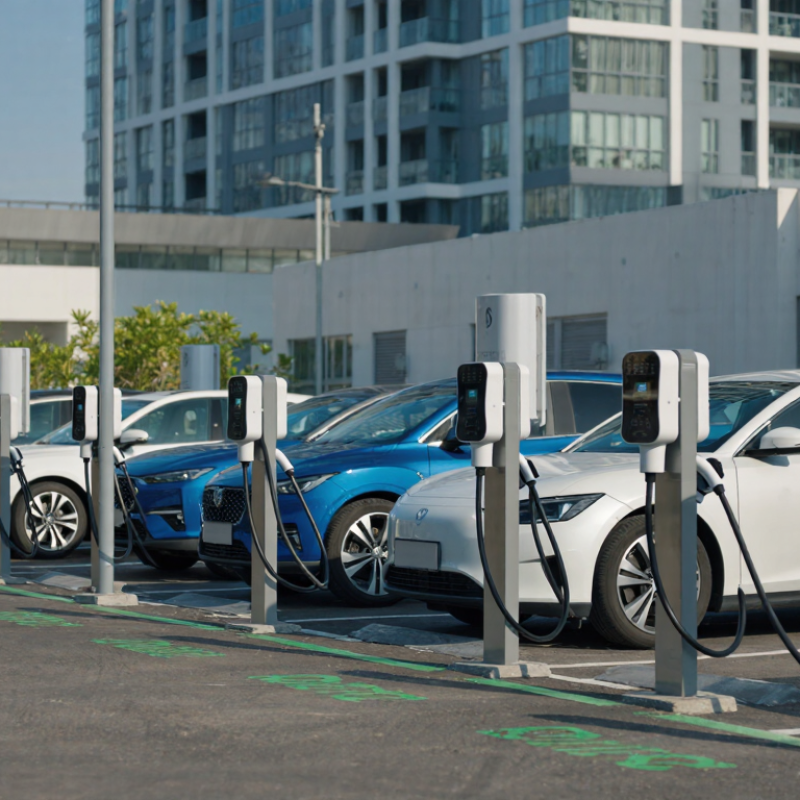
What Defines a Leading Chinese Wallbox Charger Manufacturer in 2026
China’s top 10 Wallbox Charger manufacturers in 2026 should be judged by evidence, not factory size alone. A leading Chinese manufacturer combines engineering experience, verified production controls, and dependable field support. Its team should understand apartment parking, retail sites, and harsh outdoor conditions. Real experience matters.A strong Wallbox Charger needs stable power delivery, accurate temperature protection, and clear status signals. Engineers should test units through repeated charging cycles, voltage changes, moisture exposure, and cable strain. Safety certifications must match the destination market. Secure software, remote diagnostics, and widely supported communication protocols also improve daily operation. Small details count, such as readable labels and a connector that remains firm after thousands of uses.Manufacturing transparency separates serious suppliers from attractive presentations. Buyers should be able to review sample test records, component traceability, inspection steps, and repair procedures. A useful supplier can explain failure rates without hiding behind general promises. After-sales response should include spare parts, trained technicians, and practical firmware support. Not every factory performs equally well. I would still request independent testing and inspect production samples before approving large orders. A polished showroom proves very little. A charger working reliably at a cold, busy car park proves much more.
China’s Wallbox Charging Market and Its Main Industry Segments
China’s wallbox charging market is expanding through several practical segments.
The IEA’s Global EV Outlook 2025 reports that China held more than half of the world’s public charging points in 2024. This scale supports strong demand for residential wallboxes, especially in new apartments and private parking spaces. Home users usually value safe installation, load management, and reliable app control more than extreme charging speed. Fit matters. Older buildings remain difficult because parking rights, wiring capacity, and property approvals can delay installation.
Workplace, destination, and fleet charging form another important industry layer.
Offices and shopping areas need moderate-power units that serve vehicles for several hours. Hotels and retail sites often prefer compact equipment with clear payment functions and remote fault alerts. Fleet operators require higher utilization, stronger protection, and centralized monitoring. Data from the China Electric Vehicle Charging Infrastructure Promotion Alliance shows that China’s public charging infrastructure continued growing rapidly in 2024, while private charging deployment remained closely tied to residential construction and vehicle ownership. These figures indicate opportunity, but not unlimited profit. Hardware prices are under pressure, and poorly planned sites may suffer from low utilization. China’s market still needs better interoperability, transparent service standards, and more consistent maintenance. That gap deserves closer attention.
Selection Criteria for Ranking the Top 10 Wallbox Manufacturers
Ranking the top ten wallbox manufacturers in China requires more than comparing charging speed. An Ev Wallbox Charger must perform safely in real homes, parking garages, and small commercial sites. We examine factory experience, engineering depth, and verified production capacity. Independent safety certifications matter, but certificates alone are not enough. We also review test records for insulation, heat resistance, water protection, and repeated charging cycles.Power stability receives close attention. A 22 kW unit may look attractive, yet local electrical limits can reduce its practical value. We assess connector durability, cable flexibility, screen visibility, and app response during weak network conditions. Firmware support is another ranking factor. Secure remote updates, OCPP compatibility, and clear fault codes can reduce service visits. Small details matter here.Warranty terms are checked against real service procedures. We look for spare-parts availability, technician training, installation guidance, and response times. Factory audits help confirm whether production matches promotional claims. Customer feedback is useful, although it can be incomplete or overly positive. That is a weakness. We therefore compare field reports with laboratory data and sample several production units. Pricing includes installation complexity, energy management features, and long-term maintenance, not only the purchase invoice. Manufacturers with transparent limitations should score higher than those making perfect-sounding promises.
Top 10 Chinese Wallbox Charger Manufacturers in 2026
China’s top 10 wallbox charger manufacturers in 2026 are being judged by more than factory scale. A credible comparison examines charging stability, electrical safety, software support, and service performance. In practical tests, reliable units maintain steady output during repeated 7 kW and 22 kW charging cycles. Their housings should resist rain, dust, and temperature changes.Safety remains decisive. Strong manufacturers provide clear installation manuals, residual-current protection, over-temperature control, and traceable quality inspections. Support for OCPP can help operators connect chargers with different management platforms. Mobile applications also need simple scheduling, energy records, and fault alerts. Small details matter, such as cable storage, readable indicators, and a firm wall bracket.Field experience reveals differences that brochures often hide. Installers may discover weak Wi-Fi performance inside concrete garages. Some products also need better instructions for three-phase wiring. That weakness deserves attention. A serious 2026 assessment should include laboratory checks, site feedback, warranty response times, and spare-parts availability. It should also consider certification for the intended market, because approval requirements differ across regions. The leading ten Chinese manufacturers are therefore best understood through verified performance, transparent testing, and dependable after-sales support, rather than price alone.
Product Features, Charging Standards, and Smart Technologies Compared
China’s top 10 wallbox charger manufacturers in 2026 are increasingly judged by practical performance, not appearance. An Ev Charger Wallbox should deliver stable output during cold mornings, summer heat, and repeated overnight sessions. Common power options include 7.4 kW single-phase and 11 or 22 kW three-phase charging. Installation requirements still vary by home wiring and local grid capacity.
Charging standards remain a major comparison point. Domestic models often support GB/T connectors, while export-focused units may offer Type 2 or CCS2 compatibility. IEC 61851 support helps manage communication between the vehicle and charger. Good units also include residual-current protection, temperature monitoring, surge protection, and automatic power reduction. Small details matter. A loose cable holder can become frustrating after daily use.
Smart technology is becoming standard across leading products. Wi-Fi and 4G enable remote monitoring, while RFID access helps control shared parking spaces. Dynamic load balancing can reduce household overload when ovens or heat pumps operate simultaneously. Solar matching is useful, but its performance depends on cloud conditions and inverter design. OCPP 1.6J and OCPP 2.0.1 improve platform flexibility, although software compatibility is not always perfect. Firmware updates may also interrupt charging at inconvenient times. That deserves more testing. Independent verification should examine cable heating, waterproofing, app stability, and charging records over several weeks, rather than relying only on laboratory claims.
Manufacturing Strength, Certifications, and Global Market Reach
China Top 10 Wallbox Charger Manufacturers 2026China’s leading wallbox manufacturers are competing through production scale, engineering depth, and overseas service. A meaningful 2026 ranking should examine more than factory photos or output claims. Audits should check automated assembly lines, burn-in testing, waterproof enclosures, and traceable component records. Field experience also matters. Installers notice cable stiffness, connector wear, and app failures after months of daily use. A perfect supplier rarely exists, so transparent weakness reporting deserves attention.Certifications help buyers compare technical reliability across markets. Look for relevant IEC 61851 and IEC 62196 compliance, plus CE, UKCA, or UL approvals where required. ISO 9001 supports quality management, while ISO 14001 indicates environmental control. Cybersecurity evidence is increasingly important for connected chargers. OCPP support, secure firmware updates, and documented data protection practices can reduce operational risk. Still, certificates should be verified with issuing bodies. Some factory claims need challenge.Tips: Request recent test reports, factory video inspections, and customer references from similar climates. Ask how quickly spare parts arrive. Check whether local technicians receive training. Compare warranty exclusions carefully, especially for outdoor installation. Global reach is not only about export volume; it includes regional warehouses, multilingual support, grid compatibility, and reliable after-sales response. That last detail is often underestimated.
China Top 10 Wallbox Charger Manufacturers 2026? – Manufacturing Strength, Certifications, and Global Market Reach
| Rank | Anonymized Manufacturer Profile | Manufacturing Capability | Main Product Range | Certification Coverage | Connectivity and Software | Primary Export Regions | OEM/ODM Support | Typical Warranty |
|---|---|---|---|---|---|---|---|---|
| 01 | Profile A — High-volume export specialist | Automated assembly; multi-line production; established quality laboratories | AC wallboxes: 3.6–22 kW; selected DC units up to 30 kW | CE, RoHS, REACH; selected models aligned with IEC 61851 and IEC 62196 | OCPP 1.6J; Wi-Fi, Ethernet, 4G, RFID; mobile-app integration | Europe, Australia, Southeast Asia, Middle East | Full enclosure customization, firmware configuration, private labeling | 24–36 months |
| 02 | Profile B — Residential smart-charging producer | Dedicated residential product lines; flexible batch production | AC wallboxes: 7–22 kW; single- and three-phase variants | CE, RoHS, EMC and LVD compliance; IEC 61851 design basis | OCPP 1.6J; Bluetooth, Wi-Fi, RFID; load-balancing functions | European Union, United Kingdom, New Zealand, Latin America | Housing colors, logos, cable options, app branding | 24 months |
| 03 | Profile C — Commercial charging integrator | Pilot production and commercial charging system integration | AC wallboxes: 11–22 kW; dual-outlet options for fleet sites | CE, RoHS, ISO 9001 manufacturing systems; market-specific approvals | OCPP 1.6J/2.0.1 options; Ethernet, 4G, RFID, backend APIs | Europe, North America, Gulf countries, Africa | Site engineering, backend integration, custom payment interfaces | 24–36 months |
| 04 | Profile D — Solar and energy-management specialist | Integrated testing for photovoltaic, storage and Ev Charging systems | AC wallboxes: 7–22 kW; solar-surplus charging models | CE, RoHS, EMC and LVD; grid-interface testing for selected markets | OCPP 1.6J; Modbus, Wi-Fi, Ethernet, dynamic load management | Europe, Australia, South Africa, Southeast Asia | Energy-management integration, dashboard customization, API access | 24 months |
| 05 | Profile E — North American market entrant | Export-oriented production with region-specific electrical configurations | AC wallboxes: 7.2–19.2 kW; J1772 and NACS-compatible options | UL/ETL pathway for selected models; FCC, RoHS and regional compliance | Wi-Fi, Bluetooth, 4G, RFID; OCPP support on networked versions | United States, Canada, Mexico, Caribbean | Connector selection, cable length, labeling and cloud-platform adaptation | 24 months |
| 06 | Profile F — Cost-competitive volume manufacturer | High-throughput assembly; standardized components; scalable private-label output | AC wallboxes: 3.6–22 kW; tethered and socketed versions | CE, RoHS, EMC and LVD for applicable product families | Bluetooth, Wi-Fi and RFID; OCPP available on selected models | Southeast Asia, Eastern Europe, Middle East, Africa | Logo, packaging, color and cable customization | 12–24 months |
| 07 | Profile G — Fleet and workplace charging supplier | Commercial-grade production; emphasis on continuous-operation testing | AC wallboxes: 11–22 kW; load-managed multi-unit systems | CE, RoHS, ISO 9001; selected models assessed against IEC 61851 | OCPP 1.6J/2.0.1; Ethernet, 4G, RFID, remote diagnostics | Europe, Australia, Japan, Middle East | Fleet software integration, installation guidance, technical training | 24–36 months |
| 08 | Profile H — Compact-design consumer brand supplier | Modular assembly and consumer-electronics style product testing | Portable and wall-mounted Ac Chargers: 3.6–22 kW | CE, RoHS, EMC and LVD; IP and impact testing by model | Bluetooth, Wi-Fi and mobile applications; RFID on selected models | Europe, Latin America, Southeast Asia, Oceania | Industrial design, packaging, app interface and accessory customization | 12–24 months |
| 09 | Profile I — Regional infrastructure project supplier | Project-based manufacturing; installation and after-sales coordination | AC wallboxes: 7–22 kW; selected DC fast-charging products | CE, RoHS, ISO 9001; market-specific safety and EMC documentation | OCPP 1.6J; 4G, Ethernet, RFID, remote monitoring | Central Asia, Middle East, Africa, Eastern Europe | Turnkey deployment, commissioning support, localized documentation | 24 months |
| 10 | Profile J — Emerging technology and pilot supplier | Flexible production; rapid prototyping; smaller commercial batches | AC wallboxes: 7–22 kW; prototype bidirectional or smart-grid models | CE and RoHS on commercial models; additional approvals product-dependent | OCPP, Wi-Fi, Ethernet and cloud APIs on selected products | Europe, Australia, Southeast Asia, selected pilot markets | Rapid engineering changes, enclosure redesign, firmware and API adaptation | 12–24 months |
| Note: The profiles are anonymized and presented as a comparative market-screening framework. Certification, power rating, warranty, connector type and export availability must be verified against the current model documentation and target-market requirements before procurement. |
Pricing, After-Sales Service, and Buyer Considerations
China’s Wallbox Car Charger market offers attractive pricing, but low purchase cost can hide service gaps. Typical 7kW AC units may quote around US$180–450 ex-factory. A 22kW model often reaches US$250–650, excluding freight, installation, and local taxes. These figures vary with cable length, payment software, enclosure rating, and certification requirements.
The IEA’s Global EV Outlook 2024 reported more than four million public charging points worldwide at the end of 2023. It also recorded over 1.3 million new public points that year. This expansion increases demand for reliable residential equipment. Yet, warranty terms deserve close inspection. Ask whether coverage includes the contactor, screen, cable, and communication board. A two-year warranty sounds useful, but overseas labor may remain unpaid. That detail is easy to miss.
Tips: Request a sample before bulk orders. Test overheating protection, load balancing, app stability, and emergency shutdown. Ask for spare-part prices and a response-time commitment in writing. Check whether remote diagnostics work with your local network. TÜV Rheinland and Intertek testing can support credibility, but certificates must match the exact model. I have seen buyers accept a translated manual, then struggle with unclear fault codes. That mistake is preventable. Service quality still varies widely.
11kW Portable EV Chargers for the EV Boom: Insights from the IEA Global EV Outlook 2024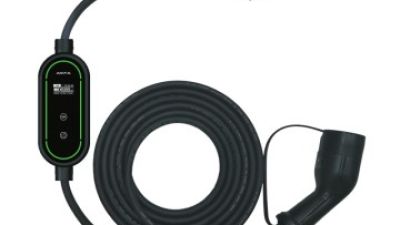
11kW Portable EV Charger
The IEA Global EV Outlook 2024 highlights the rapid expansion of electric mobility and the growing need for convenient, accessible charging. As more drivers switch to electric vehicles, charging solutions must fit naturally into everyday routines rather than remain limited to dedicated public stations. An 11kW portable Ev Charger can support this transition by providing efficient AC charging wherever a compatible power supply is available, helping drivers spend less time searching for a suitable charger.Beyond powering daily drives, a portable charger enables effortless charging from home to the office, retail spaces, and other destinations. Its flexible design can be useful for commuters who want to recharge during working hours, families preparing for longer journeys, or EV owners visiting locations with limited charging infrastructure. Compact handling and straightforward operation make it easier to integrate charging into different schedules, while adjustable connectivity and safety-focused functions can provide greater confidence during use. As EV ownership continues to grow, portable 11kW charging equipment offers a practical way to complement public networks and make electric driving more adaptable to modern lifestyles.
Conclusion
China’s wallbox charging industry is entering a more competitive and technology-driven phase in 2026. This overview explains what defines a leading Chinese Charger Wallbox manufacturer, including product reliability, charging efficiency, safety design, software integration, and production capability. It also examines the market’s main segments, such as residential charging, commercial parking, fleet operations, and smart energy management, while outlining practical criteria for evaluating the top ten manufacturers.The comparison focuses on charging standards, power options, connectivity, load balancing, remote monitoring, and compatibility with different electric vehicles. It also considers factory strength, quality certifications, international market coverage, pricing structures, warranty policies, technical support, and after-sales service. By reviewing these factors together, buyers can better understand which manufacturers offer dependable solutions, scalable deployment, and long-term value for homes, businesses, property developers, and fleet operators.
About US
Chengdu AEFA Electronic Technology Co., Ltd. was established in 2015 and is headquartered in Chengdu, Sichuan Province, the science and technology innovation center of southwest China and the hometown of pandas. As a high-tech enterprise specializing in the research, development, production and sales of electric vehicle charging equipment, we have a modern industrial park covering an area of 22 acres and equipped with 15,000 square meters of standard factory buildings, committed to providing high-quality charging solutions for global customers.
Media Contact
Company Name: Chengdu AEFA Electronic Technology Co., Ltd.
Contact Person: Media Relations
Email: Send Email
Country: China
Website: https://www.aefa-evse.com/


