Aerospace Rebound Meets Tariff Reshoring: North American Aluminum Plate Mills Race to Fill the Gap
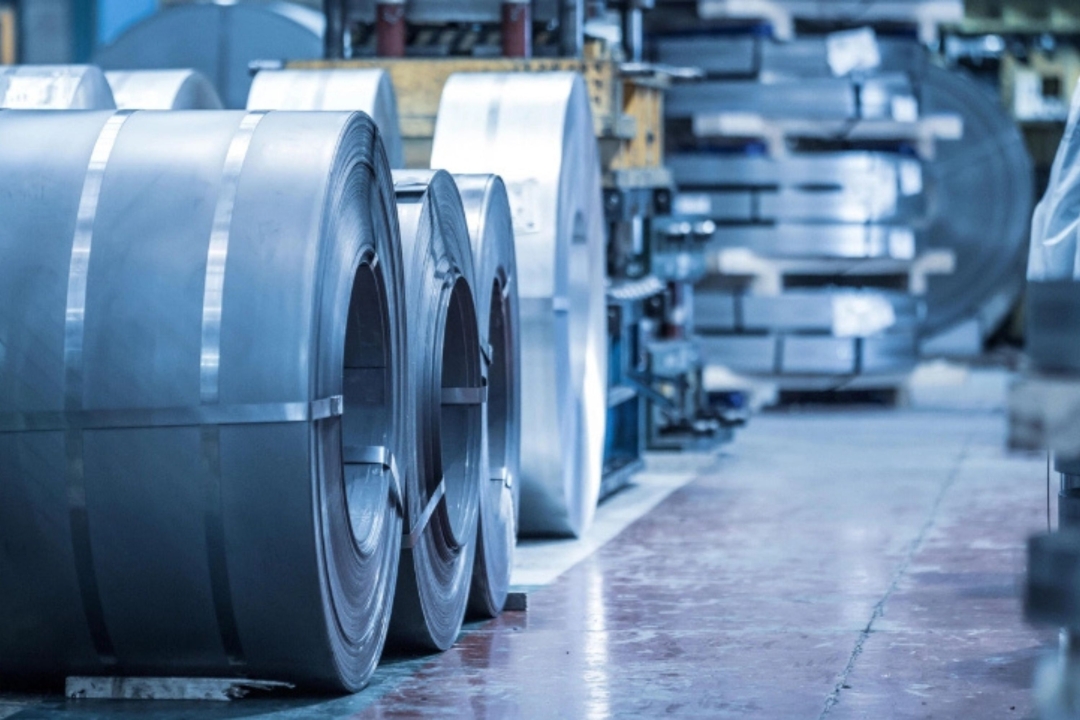
Tariffs rarely grab headlines in the metals industry unless they are significantly disrupting supply chains. Currently, this is the case with aluminum plate. The North America Aluminum Plate Market, which was valued at USD 7.8 billion in 2025 with a volume of about 1,410 kilotons, is expected to grow to USD 12.2 billion and around 2,305 kilotons by 2033, with a CAGR of 7.4%. A Market Shaped by Three Forces at Once
Three separate developments are converging to drive this growth, and understanding each one matters more than looking at the CAGR alone.
Commercial aircraft build rates at Boeing and Airbus are recovering after a multi-year OEM inventory destocking cycle, with aerospace and high-strength plate shipments at leading producers expected to climb 10–15% in 2026Section 232 tariffs of 50% on imported aluminum and aluminum derivatives are actively redirecting plate procurement toward qualified domestic mills.
U.S. Department of Defense modernization programs, including ground-vehicle armor upgrades under the Industrial Base Analysis and Sustainment program, are sustaining demand for cold-rolled defense-grade plate
None of these forces act in isolation — the tariff policy arguably makes domestic capacity investment economically feasible initially, even as aerospace and defense markets steer that capacity toward higher-value uses.
Readers can find additional insights, market forecasts, and segmentation details in the North America Aluminum Plate Market report: https://marksparksolutions.com/reports/north-america-aluminum-plate-market
Why This Isn’t a Market Anyone Can Enter Quickly
Producing aerospace and defense-grade aluminum plates isn’t a trivial task for new entrants. The qualification process takes years, and only a few mills are capable of producing certified heat-treated plates. Key facilities in the region include Kaiser Aluminum’s Trentwood plant in Washington, whose over USD 415 million investment over the past 20 years includes a furnace expansion planned for 2025, and Constellium’s Ravenswood plant in West Virginia, which has been modernized to support advanced armor plates and low-carbon manufacturing, supported by a USD 75 million Department of Energy decarbonization grant.
This focus is intentional. In this market, competitive edge relies on metallurgical qualification, certified capacity, and heat-treat throughput, rather than on lowering prices. This structural factor explains why the North American plate market remains consolidated despite rising demand.
The Alloy Story: 6xxx Holds Volume, 2xxx and 7xxx Chase ValueThe 6xxx series remains the largest segment in the product mix, valued for its strength, weldability, and corrosion resistance in structural and industrial uses. The fastest growth is occurring at the high end, with 2xxx and 7xxx series aerospace-grade heat-treat plates expanding rapidly as aircraft production recovers and defense programs increase. Heat-treatable plates dominate the product type due to their widespread use in aerospace and defense. In contrast,e non-heat-treatable plates maintain steady demand in marine, construction, and general fabrication sectors. This highlights that, despite the market’s focus on aerospace growth, a significant volume still comes from traditional industrial applications.
A Domestic Supply Squeeze Working in the Industry’s Favor — For Now
The core issue in this market is that domestic primary aluminum smelting capacity has decreased from approximately 1.64 million to 1.36 million metric tons in recent years. Meanwhile, tariffs are boosting demand for domestic mills. This scenario leads rolling mills to rely more on imported primary aluminum and recycled feedstock to meet the reshoring demand tariffs aim to encourage. However, this creates a structural bottleneck, potentially limiting how much growth domestic producers can handle without additional upstream investments.
Tariff policy has been highly unstable, with Section 232 rates, product coverage, and country treatment repeatedly changing between 2025 and 2026. The pass-through effects are also mixed; for example, extrusion producers saw order volumes drop over 20% after the June 2025 tariff hike, showing that higher input costs can reduce downstream demand even as they benefit domestic mills.
Where the Growth Concentrates Geographically
The United States dominates the regional market due to its robust aerospace, defense, and industrial manufacturing sectors. Mexico is the fastest-growing market, driven by nearshoring investments and a surge in automotive and industrial output. Canada maintains a stable position, mainly supported by demand from the marine, construction, and machinery industries rather than aerospace growth.
A Consolidated Field Built on Certification, Not PriceThe competition involves a select group of qualified producers, including Kaiser Aluminum, Constellium, Novelis, Alcoa, Arconic, Norsk Hydro, Real Alloy Holding, Ryerson Holding, Kloeckner Metals, and Signature Aluminum Canada. Distributors such as Ryerson and Kloeckner are increasingly focusing on value-added processing and inventory services instead of merely providing cut-to-size supplies. This shift highlights that a significant portion of the industry’s profit now stems from certification and technical services, rather than from producing base metals.
Download a Complimentary Sample Report Here: https://marksparksolutions.com/sample-reports?1035&Download_Free_Sample
What’s Ahead Through 2033
As commercial aircraft production recovers, defense modernization remains funded, and the increase in semiconductor and data center manufacturing drives demand for specialty plates. North American mills with qualified heat-treat capacity seem well-placed to gain a larger portion of the reshored procurement, as long as upstream metal supply keeps up with the demand from aerospace, defense, and industrial customers.
Aerospace manufacturers, defense contractors, and industrial buyers can use Mark & Spark Solutions’ comprehensive market study to access detailed alloy segmentation, capacity analysis, and competitive benchmarking for aluminum plate sourcing strategies.
Companies monitoring tariff effects, domestic capacity growth, or particular end-use segments are encouraged to request a customized data excerpt that aligns with their sourcing priorities.
Media Contact
Company Name: Mark & Spark Solutions
Contact Person: Sushil
Email: Send Email
Phone: 9158340999
Address:2nd Floor, Panchsheel Park, Aundh
City: Pune
State: Maharashtra
Country: India
Website: https://marksparksolutions.com/reports/north-america-aluminum-plate-market


