Gum Recession Treatment in Highland Village TX: Dr. Drew Moore Introduces Tissue, Bite, and Brush Approach to Treatment Planning
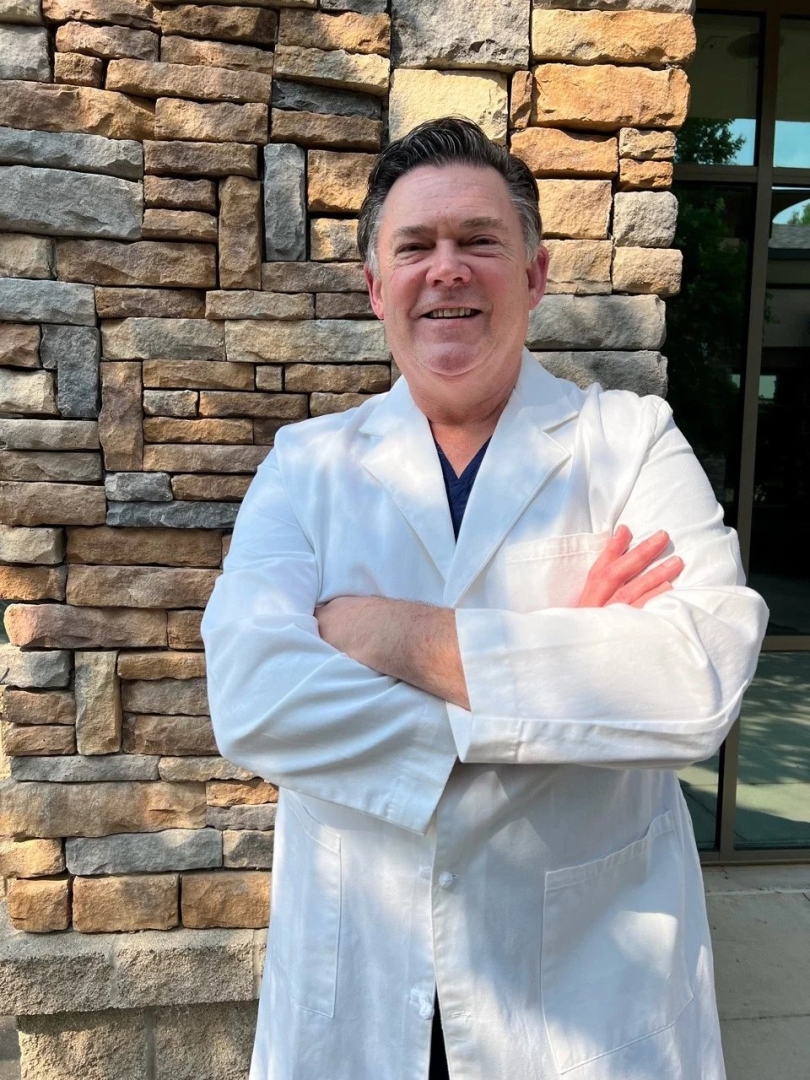
HIGHLAND VILLAGE, TX – October 10, 2026 – Gum recession treatment in Highland Village TX is the focus of a patient education initiative from Village Periodontics & Implant Dentistry, where Dr. Drew Moore, DDS, MS, is introducing a simple way to explain three considerations involved in evaluating receding gums. Called Tissue, Bite, and Brush, the approach is intended to help patients understand why gum recession does not automatically require surgery and why a periodontal examination is necessary before selecting treatment.
Gum recession occurs when the gumline moves away from its original position, exposing more of the tooth or its root. Patients may notice longer-looking teeth, sensitivity, or changes near the gumline. The underlying causes and severity vary, making it important to distinguish cases that may be managed by addressing contributing factors from those that may benefit from soft tissue grafting.
The need for individualized evaluation is underscored by the broader prevalence of periodontal disease. According to the National Institute of Dental and Craniofacial Research, 42.2% of U.S. adults aged 30 or older had periodontitis in the 2009–2014 National Health and Nutrition Examination Survey. Although periodontitis and gum recession are not interchangeable diagnoses, the findings illustrate the importance of evaluating the tissues supporting natural teeth.
“When patients ask whether they can avoid a gum graft, the answer depends on what we find during the examination,” said Dr. Drew Moore, DDS, MS, board-certified periodontist at Village Periodontics & Implant Dentistry. “We need to understand the condition of the remaining tissue, whether biting forces are contributing to the problem, and whether brushing habits may be causing additional irritation. Those findings help guide the discussion about treatment.”
The Tissue, Bite, and Brush concept describes three considerations rather than a fixed treatment sequence. Tissue refers to the amount and condition of gum tissue surrounding the affected tooth. Bite refers to the way teeth contact and whether forces may be contributing to the patient’s clinical findings. Brush refers to home-care habits, including brushing pressure and technique, that may affect the gumline.
Dr. Moore is a Diplomate of the American Board of Periodontology. He received his dental education at Baylor College of Dentistry and completed his periodontal residency at the University of Oklahoma. His specialist training includes the diagnosis and treatment of conditions affecting the gums and supporting structures of natural teeth, including procedures to address gum recession when clinically indicated.
The new explanation builds on the practice’s previously discussed prevention-first approach to periodontal health. While prevention focuses on identifying problems before they become more serious, Tissue, Bite, and Brush addresses a different question: how a periodontist evaluates existing recession before recommending treatment.
The approach helps organize several questions during a gum recession evaluation:
-
Tissue: How much healthy gum remains, and are the exposed roots or surrounding tissues showing signs that require treatment?
-
Bite: Are tooth contacts, clenching, or other forces relevant to the patient’s recession or overall treatment plan?
-
Brush: Could aggressive brushing or other home-care habits be contributing to tissue irritation or recession?
-
Treatment: Can contributing factors be addressed and the condition monitored, or is a soft tissue graft appropriate?
-
Follow-up: What ongoing care and monitoring are needed to protect the affected teeth and surrounding tissues?
For patients considering grafting, the distinction matters. Changing brushing technique or addressing a contributing factor does not restore gum tissue that has already been lost. Likewise, the presence of recession does not automatically establish a need for surgery. A periodontist must evaluate tissue condition, recession severity, tooth position, periodontal health, symptoms, and other relevant findings before recommending care.
Treatment recommendations vary according to examination findings, oral health, medical history, risk factors, and patient goals. The Tissue, Bite, and Brush explanation is not a substitute for a complete periodontal assessment, and it does not imply that every case of gum recession can be managed without grafting.
Patients can learn more about periodontal care and gum recession treatment through Village Periodontics & Implant Dentistry in Highland Village, Texas.FAQ’s
Can gum recession be treated without a gum graft?
Some cases may be managed without grafting, depending on the amount of healthy tissue remaining, the condition of the affected teeth, symptoms, and risk of further recession. A periodontal examination is needed to determine whether monitoring, changes in home care, or surgical treatment is appropriate.
Can brushing too hard cause gum recession?
Aggressive brushing can contribute to trauma around the gumline. A soft-bristled toothbrush and gentle technique may help reduce additional irritation, but changing brushing habits does not replace gum tissue that has already receded.
Can a patient’s bite contribute to gum recession?
Biting forces and tooth position may be relevant to a patient’s overall periodontal condition. However, bite-related factors do not explain every case of recession, and their contribution must be assessed individually.
How does a periodontist decide whether gum grafting is necessary?
A periodontist examines the recession, remaining tissue, exposed roots, periodontal health, and other clinical factors. The recommendation depends on whether grafting would address a specific functional, protective, or patient-related concern.
Will receding gums grow back if brushing habits improve?
Gum tissue that has been lost generally does not return to its original position simply because brushing technique improves. Better home care may help reduce further trauma, while some patients may benefit from professional periodontal treatment or grafting.
About Village Periodontics & Implant Dentistry
Village Periodontics & Implant Dentistry is a periodontal and dental implant practice established in Highland Village, Texas, serving patients throughout the Dallas Fort Worth region and surrounding communities. Led by Dr. Drew Moore, DDS, MS, a board-certified periodontist, the practice provides periodontal treatment, gum recession care, soft tissue grafting, dental implant placement, and related surgical services. The practice emphasizes clinical evaluation, patient education, and individualized treatment planning. Its approach focuses on helping patients
Media Contact
Company Name: Village Periodontics & Implant Dentistry
Contact Person: Dr. Drew Moore DDS MS
Email: Send Email
Phone: 972-966-2500
Address:2820 Village Pkwy Suite 630
City: Highland Village
State: TX
Country: United States
Website: https://villageperio.com/


