Leak Detection in San Diego Explains How Inspectors Separate Active Leaks From Residual Moisture
SAN DIEGO, California – October 16, 2026 – Leak Detection in San Diego outlines an inspection approach for a common property question: whether damp materials indicate an active plumbing leak or moisture left behind after water has stopped entering the building. Its published guidance combines material comparisons, symptom history and targeted testing to support the next repair or drying decision.
A damp wall, a musty room or a ceiling mark can persist after a leak has been controlled. An elevated moisture reading alone does not establish that water is still entering the structure. The company’s approach to leak detection in San Diego considers how readings change, what happened before the symptom appeared and whether a particular water-use event reproduces it.
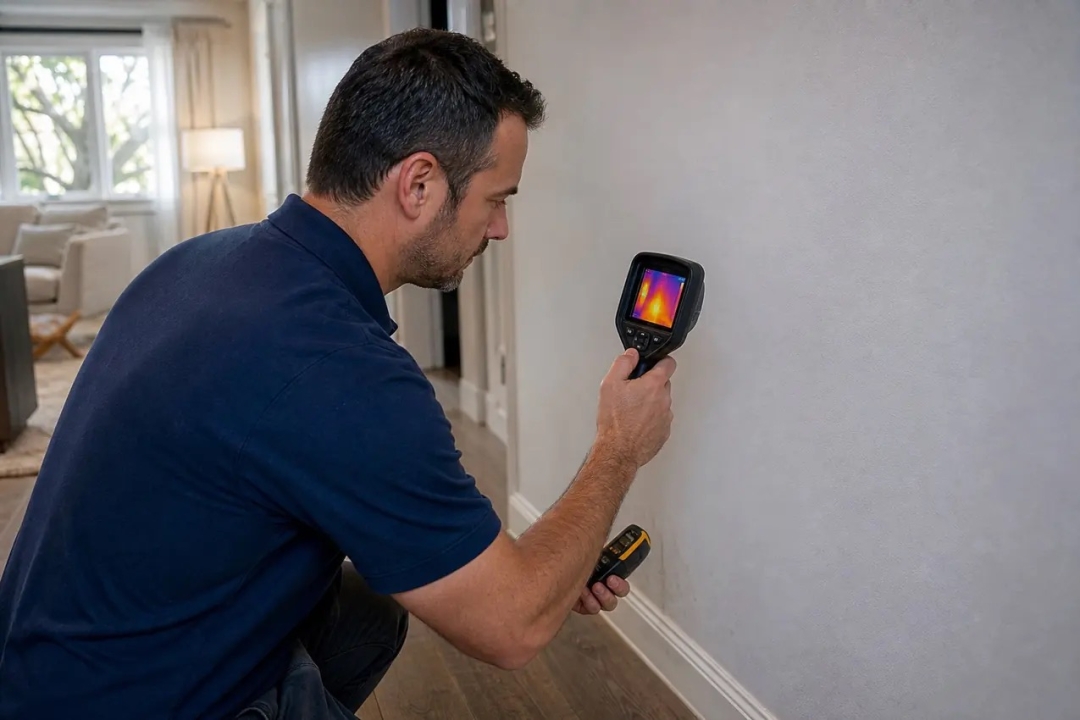
Dry reference areas provide context for measurements in affected drywall, wood, flooring and cabinetry. Repeat observations can help show whether the wet boundary is expanding or drying. Thermal imaging may reveal temperature differences worth examining, but the company’s guidance calls for checking those patterns against material moisture and other evidence.
Water leak detection in San Diego can also involve accessible valves, fixture connections, drains, water heaters and appliance lines. When appropriate, meter observation and targeted isolation help narrow a suspected supply-system problem. Fixture and appliance timing can be especially useful when water appears only during a shower, a laundry cycle or another intermittent event.
The company’s local guidance discusses the variety of San Diego properties, from coastal residences and condos to slab-on-grade homes and remodeled interiors. Foundation type, floor count and changes to plumbing routes influence the inspection sequence. In a multilevel property, a lower-floor stain may need to be compared with several rooms or plumbing runs above and beside it.
Moisture detection in San Diego also supports work after a source has been identified. The repair location and the area needing drying may differ. Documenting both helps explain which materials were affected and where extraction, monitoring or selective removal may be appropriate. Findings should identify remaining uncertainty so a plumber or mitigation team has a practical question to resolve.
Before a visit, property owners can record when symptoms worsen, photograph visible changes and note recent fixture or appliance use. Those details can help an inspector select tests that match the reported conditions. An unchanged stain and a repeatable increase after water use provide different information and should be evaluated in context.
The company’s service overview is available at https://leakdetectioninsandiego.com/#services. Its water-damage section at https://leakdetectioninsandiego.com/#damage describes the steps from source control through drying and restoration planning.
ABOUT LEAK DETECTION IN SAN DIEGO
Leak Detection in San Diego provides interior plumbing, wall, ceiling and slab leak detection, moisture inspection and water-damage mitigation services in San Diego and surrounding San Diego County communities. Website: https://leakdetectioninsandiego.com/.
Media Contact
Company Name: Leak Detection in San Diego
Contact Person: Ronald Frost
Email: Send Email
Phone: (619) 940-1777
Address:2301 Front St
City: San Diego
State: CA 92101
Country: United States
Website: https://leakdetectioninsandiego.com/


