Ten Inflatable Boat Accessories Gain Attention Among Global Buyers in 2026
Guangzhou, Guangdong, China – October 27, 2026 – You know, Inflatable Boat Accessories can really turn a small tender into a safer, more versatile setup—whether you’re fishing, cruising, helping with rescue work, or just moving people and gear along the coast. These days, buyers around the world expect more than just a boat and an air pump. They want stuff that actually fits, resists corrosion, stores without a hassle, and keeps performing when the weather decides to change on you. You know, a loose valve, a weak oarlock, or a seat that just doesn’t fit right — those little things can turn into a pretty expensive lesson before you know it.You know, the numbers kind of back up why there’s more attention on gear these days. The National Marine Manufacturers Association reported that recreational boating added about $230.6 billion to the U.S. economy in 2023. And in its 2024 stats? It counted millions of registered recreational boats, plus plenty of activity in fishing, cruising, and watersports. All together, those figures give you a real sense of how big the boating world is—though they don’t break out inflatable boat accessories specifically. Grand View Research and Fortune Business Insights are both seeing the same thing too: steady growth in recreational marine gear and Inflatable Boats—things like tenders and light transport craft. Their forecasts can be helpful, sure, but every firm seems to slice the market a little differently. So if you’re buying, don’t just look at the big growth number. Dig into the methodology behind it.So, this guide looks at ten kinds of accessories from a buying standpoint. You’ll see anchor systems, repair kits, seats, pumps, protective covers, navigation lights, storage solutions, safety gear—stuff like that. Materials really do matter, too. Something like a reinforced PVC patch, a stainless-steel fitting, or a pressure gauge can act pretty differently once it’s been exposed to saltwater over and over. In my experience, the cheapest accessory is rarely the best deal in the long run. That said, paying top dollar doesn’t automatically mean it’ll be right for you. Honestly, it’s worth taking a careful look at product dimensions, load ratings, certification, warranty terms—and yes, local service support too. That said, the best pick is still the one that actually fits the boat, the route, and the user’s real operating conditions.
Defining the Essential Accessories for Inflatable Boats
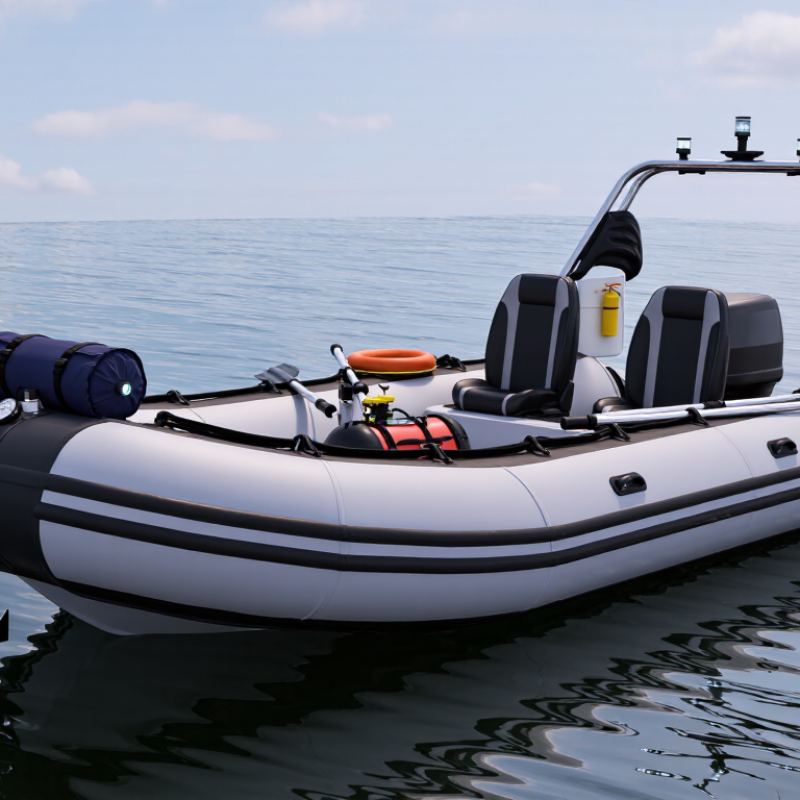
Defining essential inflatable accessories starts with safety, control, and practical comfort. A reliable hand pump, pressure gauge, and repair kit belong on every trip. The gauge prevents overinflation under strong afternoon heat. A compact paddle set provides backup when the motor stops or shallow water limits movement. Keep a properly fitted life jacket for every passenger, including children.Small details matter. Grab lines help passengers steady themselves while boarding. A suitable anchor system can hold the boat during fishing or quiet shoreline stops. Check the rope length, attachment point, and local water conditions before anchoring. Dry bags protect maps, food, and spare clothing from sudden splashes. A waterproof phone case adds communication support, but it should not replace navigation planning. Keep a whistle within reach. It is simple equipment.Comfort also affects safe decisions. An inflatable seat cushion reduces fatigue during longer journeys. A lightweight sun shelter can limit heat exposure on open water. During routine checks, I inspect valves, seams, handles, and accessory fittings before launching. I once overlooked a loose valve cap, and the slow leak became obvious only after reaching deeper water. That mistake still shapes my checklist. The best inflatable accessories are not merely convenient additions; they should fit the boat, match its load capacity, and remain usable in real weather. Manufacturer instructions and regional boating requirements deserve careful attention.
Top Safety Accessories for Passenger Protection and Emergency ReadinessTop 10 Inflatable Boat Accessories for Global Buyers
Passenger protection begins with properly fitted life jackets for every person onboard. Choose approved equipment suitable for each passenger’s size, swimming ability, and local water conditions. Loose straps can become dangerous during sudden turns or rough waves. Test the fit before departure, not after an accident.
A strong grab line around the boat gives passengers something secure to hold. Add a waterproof whistle, compact first-aid kit, floating rescue rope, and an emergency signal light. A hand pump and repair patches can help control a slow air leak. Keep them in a bright, reachable dry bag. In my experience, equipment hidden beneath seats is rarely useful during panic. I have also learned that a powerful flashlight is not enough if its batteries are forgotten.
Tips:Check every accessory before launching. Replace cracked straps, faded ropes, and weak batteries. Practice throwing the rescue rope with passengers, because real emergencies feel confusing. Keep a simple passenger count near the helm. It is easy to overlook a child or tired swimmer. Choose certified safety equipment that matches local requirements, and record inspection dates in a small waterproof notebook. Some buyers focus on comfort accessories first. That choice may need reconsideration when weather changes quickly.
Anchoring, Mooring, and Positioning Equipment for Various Waters
Top 10 Inflatable Boat Accessories for Global BuyersAnchoring, mooring, and positioning equipment determine how confidently an inflatable boat handles different waters. A compact anchor, suitable chain, and strong rope help maintain position near beaches, lakes, and sheltered bays. For rocky bottoms, a folding anchor can grip uneven surfaces better. Sand requires broader flukes and enough scope. A practical starting point is a rope length five to seven times the water depth, adjusted for wind and current.The US Coast Guard’s Recreational Boating Statistics 2023 recorded more than 4,000 recreational boating accidents in the United States. Many incidents involve falls, collisions, or loss of control. This makes a reliable mooring line, tow line, and adjustable positioning pole essential. ISO 6185 guidance also highlights buoyancy, stability, and safe operating conditions for inflatable boats. In my experience, lightweight gear is convenient, but undersized hardware becomes difficult to trust in sudden weather. No setup is perfect.Tips: Match the anchor to the seabed, not the boat color. Carry spare rope, gloves, and a manual pump. Check valves, clips, and anchor points before every trip. Do not confuse marine equipment with bounce house accessories; load ratings and water exposure are completely different. A simple drift sock can slow movement in open water, while a small anchor buoy helps locate released ground tackle. Overlooking one detail remains an expensive lesson.
Top 10 Inflatable Boat Accessories for Global Buyers
Typical minimum quantity for one 3–4.5 m inflatable boat used in coastal, lake, and river waters
This practical outfitting baseline covers anchoring, mooring, towing, and positioning needs. Two mooring lines and two fenders are commonly used to secure an inflatable boat alongside a dock, while one anchor, anchor chain, anchor line, pump, repair kit, boat hook, tow line, and navigation light provide essential operational support. Actual quantities and specifications should be adjusted for boat length, passenger load, wind, current, and local navigation regulations.
Storage, Transport, and Inflation Accessories for Convenient HandlingTop 10 Inflatable Boat Accessories for Global BuyersStorage, Transport, and Inflation Accessories for Convenient Handling
A suitable storage bag protects an inflatable boat from dust, sunlight, and sharp objects. Choose a breathable material with reinforced handles and enough space for a dry, folded boat. A padded floor mat can prevent punctures during packing. Keep it dry. Small details matter.
For transport, consider a folding boat cart, adjustable straps, and compact wheel chocks. Wide wheels move better across sand, gravel, and wet ramps. Straps should hold the boat firmly without crushing its air chambers. I once used narrow straps that slipped during loading. That mistake showed me why load testing matters before a longer trip.
Inflation accessories should match the boat’s valve type and recommended pressure. A manual pump works reliably, while an electric pump saves effort during repeated use. A pressure gauge helps prevent underinflation and excessive pressure. Pack valve adapters, a repair kit, and spare seals in a waterproof pouch. Check electrical ratings carefully when buying across countries. Plug shapes and voltage standards differ. Do not assume one pump fits every boat. Read the manufacturer’s instructions, even when the setup appears simple. Experienced users still overlook this step. A dry bag can also protect the pump, gauge, and repair materials from spray. Keep essential tools within reach.
Navigation, Comfort, and Utility Accessories for Better Boating
Top 10 Inflatable Boat Accessories for Global BuyersNavigation, Comfort, and Utility Accessories for Better BoatingA practical inflatable boat setup starts with navigation. A waterproof GPS, magnetic compass, navigation lights, handheld VHF radio, and a loud whistle form the essential navigation group. Carry a laminated chart too. Electronics can fail after spray, impact, or a flat battery. The 2023 U.S. Coast Guard Recreational Boating Statistics recorded 3,844 accidents, 564 deaths, and 2,126 injuries. Its data also linked most fatalities to drowning, making a properly fitted personal flotation device essential. Check local carriage rules before using radio equipment or lights.Comfort improves control, not only relaxation. A raised inflatable seat, non-slip deck mat, sun canopy, dry bag, waterproof phone case, and insulated cooler make longer trips less tiring. Add a compact electric or manual pump, pressure gauge, repair patches, valve tools, and a folding anchor. These accessories support utility and basic field maintenance. A spare paddle remains sensible, even with an outboard motor. Small failures become inconvenient quickly.Global buyers should inspect valve compatibility, saltwater resistance, load ratings, and storage dimensions. A Flying Inflatable Boat still needs ordinary preparation. That phrase sounds futuristic. The equipment is not. A loose anchor line can foul a propeller, while an unsecured cooler can shift weight suddenly. In my experience, buyers often overvalue gadgets and undervalue a pressure gauge. That deserves reconsideration. The Coast Guard also reports that wearing life jackets could prevent many boating fatalities, so fit and accessibility matter more than appearance.
Global Buying Criteria: Compatibility, Quality, Standards, and Shipping
Buying inflatable boat accessories globally requires more than attractive photos. Compatibility comes first. Measure tube diameter, valve type, deck fittings, load rating, and engine clearance before ordering. An Inflatable Jet Boat may need reinforced transom hardware, compact fuel storage, and corrosion-resistant fasteners. Small differences matter.Quality should be visible and testable. Check fabric denier, seam welding, UV resistance, stainless-steel grade, and repair-kit contents. The ISO 6185 series covers construction and safety requirements for inflatable boats. It is a useful reference, not automatic proof of product quality. NMMA’s 2023 U.S. Recreational Boating Statistical Abstract recorded about 11.6 million registered recreational boats, showing the scale of equipment demand. Yet registration data does not confirm accessory performance. That distinction deserves attention.Standards and shipping create practical risks. Ask for test reports, material declarations, user instructions, and packaging photographs. Confirm whether fittings meet the destination market’s requirements. The UNCTAD Review of Maritime Transport reports that ships carry over 80% of global merchandise trade, but ocean transport still involves delays, moisture, and handling damage. Folded accessories should use sealed inner bags, corner protection, and clear carton markings. Request gross weight, carton dimensions, HS classification, and spare-part availability before payment. I have seen buyers overlook valve adapters. A cheap accessory then becomes unusable. Supplier claims also need independent checking.
Top 10 Inflatable Boat Accessories for Global Buyers – Global Buying Criteria: Compatibility, Quality, Standards, and Shipping
| No. | Accessory | Typical Specification | Compatibility Criteria | Quality Checkpoints | Applicable Standards or Compliance | Shipping and Import Considerations | Recommended Buyer Documentation |
|---|---|---|---|---|---|---|---|
| 01 | Inflatable Boat Repair Kit | PVC or CSM fabric patches, valve adapter, scraper, mixing tool, and adhesive where permitted. Patch material should normally match the boat tube material. | PVC CSM Fabric ThicknessConfirm tube material, coating, color, and valve type before ordering. | Flexible patch fabric, strong bonding after curing, clean-cut patch edges, moisture-resistant packaging, and clearly stated shelf life. | No single universal standard covers every repair kit. Adhesive safety data should be available, including SDS information and chemical labeling required in the destination market. | Solvent-based adhesives may be regulated as dangerous goods. Confirm UN classification, maximum package quantity, air-freight restrictions, and temperature requirements before shipment. | Material compatibility chart, technical data sheet, SDS where applicable, shelf-life statement, and repair instructions. |
| 02 | 12 V Electric Air Pump | Typical output: approximately 100–160 L/min; selectable inflation and deflation; pressure range commonly covering about 3–16 psi, depending on model. | 12 V DC Valve Adapters Pressure RangeMatch the connector, fuse rating, hose diameter, and boat manufacturer’s recommended pressure. | Stable pressure control, thermal-overload protection, durable hose, low air leakage, accurate automatic shut-off, and tested continuous operating time. | Electrical and radio compliance may include CE, UKCA, FCC, or equivalent local requirements, depending on the sales market. The relevant low-voltage and electromagnetic-compatibility rules should be verified. | Usually suitable for standard cargo shipment. Products with lithium batteries require separate battery transport documentation; confirm whether the pump is battery-free or includes a battery pack. | User manual, electrical rating label, conformity documentation, test report, spare fuse specification, and plug or adapter details. |
| 03 | Manual Foot or Hand Pump | Double-action or dual-chamber design, commonly supplied with several valve adapters; practical working pressure is often around 3–8 psi for inflatable boats. | Boston-Type Valve Halkey-Roberts-Type Valve Universal AdaptersVerify the adapter profile and maximum pressure before use. | Reinforced hose, corrosion-resistant fittings, non-slip base, durable bellows, secure hose connections, and a pressure gauge that is easy to read. | No dedicated universal pump standard applies in all markets. Materials and labeling should comply with applicable consumer-product and chemical-restriction requirements. | Non-hazardous and easy to consolidate. The pump should be packed to prevent crushed bellows, bent fittings, and hose deformation during sea or parcel shipment. | Pressure range, adapter list, operating instructions, carton dimensions, gross weight, and spare-part availability. |
| 04 | Inflatable Boat Pressure Gauge | Analog or digital gauge with a typical range of 0–15 psi or 0–1 bar; resolution of 0.1 psi is useful for controlled inflation. | Valve Interface PSI / Bar Pressure RangeSelect a gauge that matches the valve adapter and the boat’s specified operating pressure. | Readability, repeatability, impact-resistant housing, sealed display, reliable zero setting, and calibration consistency across production batches. | Calibration should be traceable to an appropriate national or international measurement system. Electrical versions may also require market-specific EMC and battery compliance. | Generally non-dangerous for transport. Protect the gauge face and connector from impact, moisture, and static pressure during packing. | Calibration statement, accuracy tolerance, operating temperature range, pressure-unit details, and valve-adapter compatibility list. |
| 05 | Paddles or Oars | Common recreational length: approximately 2.0–2.4 m for two-piece oars; aluminum or fiberglass shaft with reinforced blade. | Oarlock Type Boat Width Two-Piece LengthCheck oarlock diameter, pin arrangement, shaft length, and storage space. | Straight shaft, balanced blade, secure locking joint, UV-resistant blade material, corrosion-resistant hardware, and no sharp edges or loose rivets. | There is no single global accessory standard covering all recreational oars. Product safety, labeling, and material requirements should follow the destination market. | Long-length packaging can increase dimensional freight charges. Use reinforced cartons, protective sleeves, and nested packing to reduce damage and shipping volume. | Overall length, packed length, shaft diameter, blade dimensions, material declaration, carton size, and drop-test or transit-test records where available. |
| 06 | Removable Inflatable Boat Seat | Inflatable or rigid removable seat designed for the boat’s seat-belt channels or mounting rails; common materials include coated fabric, marine plywood, aluminum, or molded polymer. | Seat Width Mounting Channel Load CapacityMatch seat width, attachment method, tube spacing, and the boat’s maximum passenger load. | Load-bearing attachment points, water-resistant materials, rounded edges, corrosion-resistant fittings, stable support, and secure locking during movement. | The complete boat may be assessed under ISO 6185 series requirements, but accessory compliance depends on design and intended use. Load and installation instructions should be provided. | Rigid seats may require oversized-carton handling. Protect wooden or polymer panels from moisture, edge damage, and compression during container loading. | Installation guide, maximum supported load, material declaration, dimensional drawing, hardware list, and replacement-part information. |
| 07 | Personal Flotation Device | Select the buoyancy category according to the activity and local regulations: commonly 50 N, 100 N, 150 N, or 275 N classes. | User Weight Chest Size Intended Water UseChoose the correct size range, buoyancy level, adjustment system, and child or adult classification. | Reliable buoyancy material, strong webbing and stitching, secure buckles, high-visibility fabric, retroreflective elements where required, and clear care labels. | EN ISO 12402 series is widely used for personal flotation devices in relevant markets. Local approval, labeling, testing, and carriage requirements must also be checked. | Usually non-dangerous for transport. Keep devices dry and uncompressed; compression can deform flotation materials and increase carton recovery time. | Test certificate, buoyancy class, size chart, user instructions, care label, conformity declaration, and production-batch traceability. |
| 08 | Small-Boat Anchor and Mooring Kit | Typical recreational kit: approximately 1.5–3 kg anchor, 20–30 m floating or sinking rope, connector, and optional short chain section. | Boat Length Water Depth Bottom TypeSelect anchor shape and weight for boat size, wind exposure, water depth, and seabed conditions. | Corrosion-resistant metal, secure rope splice, rated connectors, abrasion-resistant rope, and anchor geometry suitable for the intended seabed. | Requirements vary by jurisdiction and use. Hardware should have declared working-load limits, corrosion information, and suitable marine-use documentation. | Metal anchors add weight and may increase freight cost. Separate sharp or pointed components, protect cartons from puncture, and verify import duties based on material and tariff code. | Anchor weight and dimensions, rope length and diameter, material grade, working-load information, corrosion test data, and packing list. |
| 09 | Inflatable Boat Carry Bag | Heavy-duty polyester or nylon fabric, commonly 600D or higher; reinforced handles, zipper or roll-top closure, drainage provision, and adjustable straps. | Boat Packed Size Load Capacity Folded AccessoriesMeasure the deflated boat, seats, pump, oars, and repair kit together before selecting bag size. | High tear strength, bartacked handles, reinforced bottom, corrosion-resistant zipper, water-resistant coating, and sufficient ventilation to reduce trapped moisture. | Textile composition and chemical restrictions may be regulated by the destination market. If marketed for heavy loads, the stated carrying capacity should be supported by test records. | Lightweight and generally suitable for parcel, air, or sea freight. Fold bags without permanent creases, keep them dry, and use moisture protection for long sea-transit storage. | Fabric composition, coating details, dimensions, load capacity, colorfastness information, carton packing ratio, and care instructions. |
| 10 | Protective Boat Cover | Solution-dyed polyester or coated marine fabric, commonly around 300D–600D; elastic hem, adjustable straps, ventilation openings, and reinforced stress points. | Boat Length Beam Width Bow ShapeChoose by actual boat dimensions and whether the cover is for storage, towing, or mooring. | UV resistance, hydrostatic performance, seam strength, mildew resistance, non-abrasive inner surface, rust-resistant hardware, and secure tie-down points. | No single global standard covers all boat covers. Textile chemical restrictions, flammability rules, and labeling requirements depend on the target market and intended use. | Foldable and efficient for container loading. Use dry packaging, avoid excessive compression, and protect buckles and metal fittings from scratching the fabric. | Size chart, fabric weight, water-resistance test result, UV or colorfastness data, care instructions, strap layout, and packed dimensions. |
Marine Inflatable Pyramid Entertainment Systems: Insights from Grand View Research & IMARC Industry Reports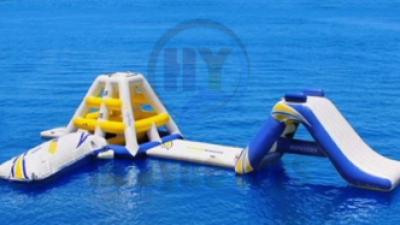
Marine Inflatable Pyramid Entertainment System
Marine inflatable entertainment systems are gaining attention as coastal destinations seek flexible, high-capacity attractions. Grand View Research estimates that the global water sports equipment market was valued at approximately US$13 billion in 2022 and is projected to expand at a steady compound annual growth rate through 2030. Meanwhile, IMARC Group’s amusement parks market analysis highlights continued investment in experience-based attractions, supported by tourism recovery, destination development, and demand for interactive outdoor recreation. These trends create opportunities for modular marine facilities that can be installed without permanent construction.This integrated system combines a pyramid slide with a jumping platform in one floating entertainment unit. Manufactured from mesh-reinforced PVC, it measures 11.5 × 5.5 meters and can be rapidly deployed with an air pump, helping operators adapt layouts for seasonal use, special events, or changing visitor flows. Its large footprint and multiple activity points make it suitable as a flagship attraction for coastal resorts, a featured experience for island tourism, an entertainment complement for luxury cruise ships, or a supporting facility at water sports events. For operators, the inflatable format may also simplify transportation, storage, and site reconfiguration compared with fixed marine structures, while offering a visually distinctive centerpiece for destination-based recreation.
Conclusion
Choosing the right Inflatable Boat Accessories can improve safety, convenience, and overall performance for recreational users, fishing enthusiasts, and professional operators. Essential items include life jackets, emergency signaling tools, first-aid supplies, and waterproof communication equipment to support passenger protection and emergency readiness. Anchors, ropes, mooring lines, and positioning tools help maintain stability in rivers, lakes, coastal waters, and changing weather conditions.Practical accessories such as storage bags, transport wheels, protective covers, hand or electric pumps, and repair kits make inflation, movement, and maintenance easier. Navigation lights, compact seating, sun shades, drink holders, and utility mounts can further improve comfort and functionality on the water. For global buyers, key considerations include valve and size compatibility, durable and corrosion-resistant materials, clear safety labeling, suitable certification, reliable quality control, and secure international packaging. Buyers should also confirm product specifications, shipping requirements, after-sales support, and local compliance before placing an order.
About Us
We are a leading supplier of high-quality products, integrating both trade and manufacturing, established in 2012. With over 12 years of rich production experience, we have accumulated deep expertise in delivering exceptional products. We are committed to excellence, meticulously handling every product to ensure that each step in the production process meets the strictest standards.
Media Contact
Company Name: Guangzhou Huayue Inflatable Products Toys Co., Ltd.
Contact Person: Media Relations
Email: Send Email
Country: China
Website: https://www.huayueinflatable.com/


